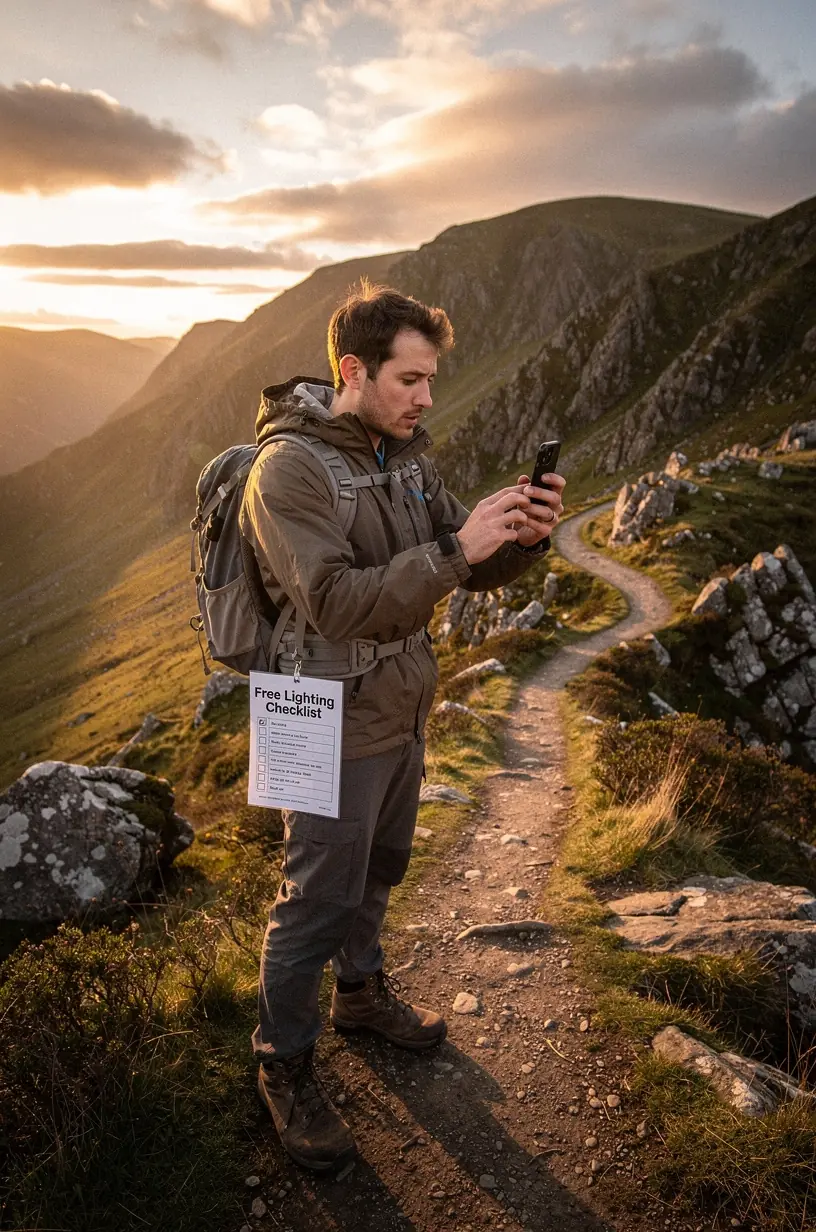
How to Use Shadows Creatively in Photos
Shadows can transform your mobile photography, adding depth and intrigue to your images. Understanding how to manipulate shadows creatively can enhance your composition and storytelling. This article will explore how to effectively use shadows in your photography, with practical tips and insights grounded in expert recommendations.
Understanding the Role of Shadows in Photography
Shadows are a natural element of photography that can create contrast, highlight textures, and guide the viewer's eye. According to industry experts, using shadows effectively can enhance the emotional impact of your photos. Shadows can also help to emphasize shapes and forms within your frame, allowing for a more dynamic composition.

"The principle behind using shadows creatively is that they can provide depth and dimension, which adds interest and visual appeal to your images."
Techniques for Creative Shadow Play
Incorporating shadows into your photography typically involves a few key techniques:
- Backlighting: Position your subject in front of a light source to create stark, dramatic shadows. This technique often works best during golden hour, when the sun is low on the horizon.
- Silhouettes: Capture subjects as silhouettes against a bright background. This technique can simplify complex scenes and highlight outlines of your subjects.
- Shadow Patterns: Look for interesting shadow patterns created by natural elements like trees or architecture. These can add layers to your composition.
Essential Tips for Capturing Shadows
Here are some practical tips to consider when working with shadows:
- Experiment with Angles: Try shooting from different perspectives. Shadows can appear dramatically different based on your vantage point.
- Use Reflectors: Incorporating reflectors can help soften harsh shadows and create a more balanced lighting situation.
- Post-Processing: Enhance shadows further in editing software. Adjusting contrast and brightness can help you achieve the desired effect.
Acknowledging Limitations
While shadows can significantly enhance your photography, it's essential to recognize their limitations. For instance, harsh shadows can be unflattering and may distract from your subject. In many cases, achieving the desired shadow effect may require several attempts, involving trial and error to find what works best in varying lighting conditions.
Moreover, beginners may find it challenging to use shadows effectively without practice. Typically, mastering this technique takes time and ongoing experimentation, as different environments can yield different results.
Conclusion
Using shadows creatively in mobile photography can elevate your visual storytelling. By understanding the nature of shadows and employing various techniques, you can create compelling and dynamic images. Remember to embrace the learning process; experimentation is key. With time and practice, you may find that shadows add a new dimension to your photography that resonates with viewers.
Continue Reading