Understanding Natural Light for Mobile Photography
Capturing stunning images with your mobile device often hinges on one crucial element: natural light. This article will explore how understanding natural light can enhance your mobile photography skills, providing you with actionable insights and a practical checklist.
The Importance of Natural Light
In mobile photography, natural light plays a vital role in determining the overall quality and mood of your images. Research indicates that images taken in natural light can appear more vibrant and true-to-life compared to those taken under artificial lighting. This is because natural light generally provides a broader spectrum of colors and subtle variations that can significantly enhance your photography.

According to experts, capturing images during the golden hour—the hour after sunrise and the hour before sunset—can yield particularly stunning results, due to the soft, warm light that creates flattering shadows and highlights.
"Utilizing natural light effectively can transform ordinary photos into extraordinary visuals." - Photography Expert
How to Use Natural Light Effectively
Understanding how to work with natural light involves recognizing its qualities and how they can enhance your photos. Here are some practical tips:
- Observe the direction of light: Light coming from the side can create depth and texture, while light coming from directly in front can flatten your subject.
- Identify the quality of light: Light can be classified as hard (direct and harsh) or soft (diffused and gentle). Soft light is often more flattering, especially for portraits.
- Use reflectors: Many mobile photographers find that using reflectors—such as a white board or a light-colored surface—can help bounce light onto your subject, enhancing brightness and reducing shadows.
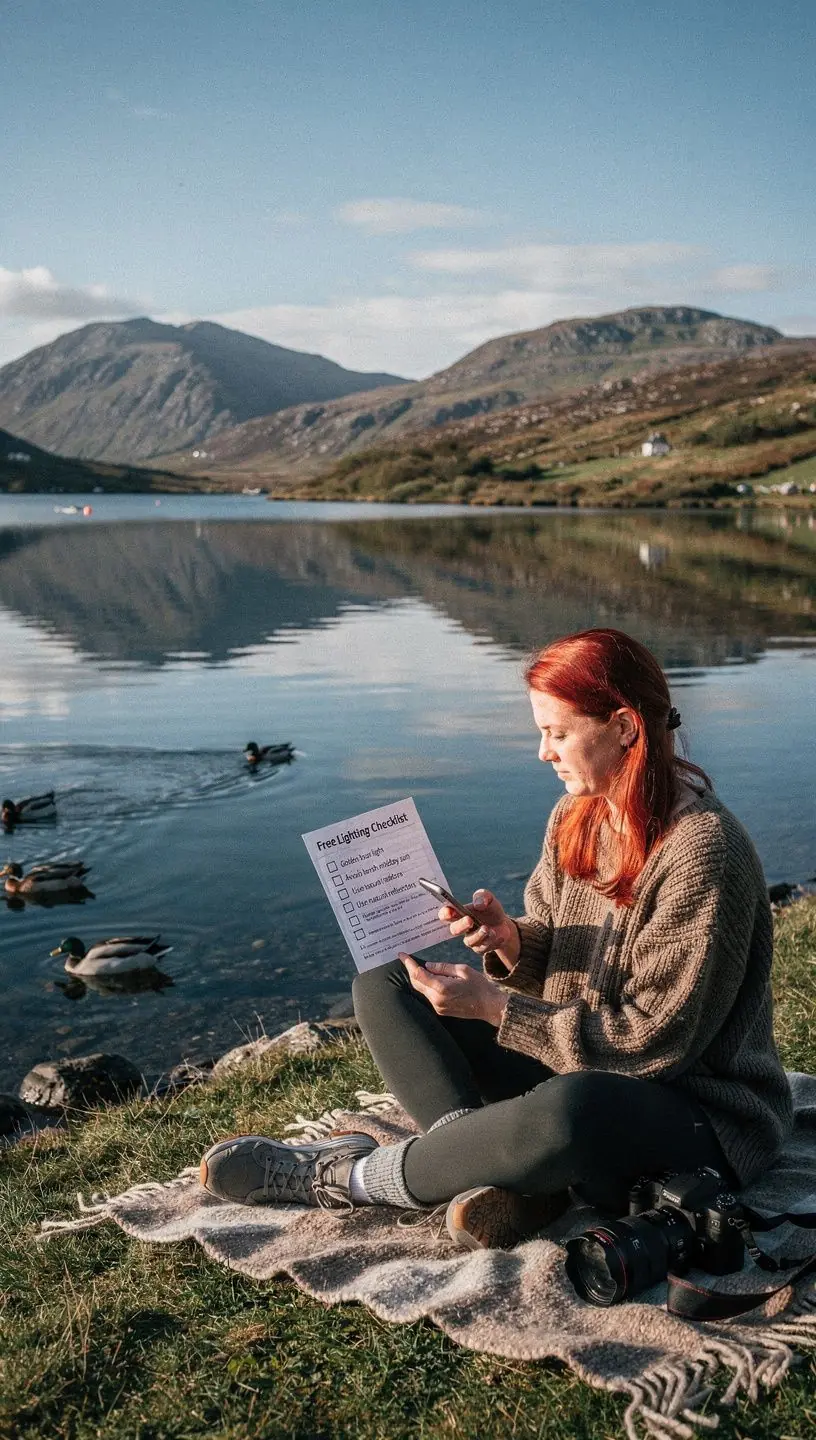
Practical Lighting Checklist
To help you make the most of natural light, consider using this simple checklist before you start shooting:
- Check the weather: Overcast days often provide soft, even lighting, which can be great for photography.
- Scout locations: Look for areas with interesting light patterns, such as shaded spots or open fields during golden hour.
- Adjust your angle: Move around your subject to see how the light changes and find the most flattering angles.
- Be patient: Sometimes, the best light can take time to show itself, so remain flexible and ready to adapt your plans.
Challenges and Limitations
While natural light can be beneficial, it is important to acknowledge its limitations. For instance, challenging weather conditions, such as bright sunlight or heavy clouds, can affect the quality of your images. Many users report that shooting in harsh sunlight often leads to overexposed images or harsh shadows, which may not be ideal for all subjects.
Additionally, you may find that working with natural light requires a certain level of practice and experimentation, as mastering it typically involves learning how different lighting conditions impact your photos. This may take some time and dedication, but the results can be rewarding.
Conclusion
Understanding and utilizing natural light is a fundamental skill for any mobile photographer looking to enhance their imagery. By applying the tips and checklist provided in this article, you can improve your photography and create stunning visuals that capture the essence of your subject. Remember, while natural light has its challenges, it also offers incredible opportunities for creativity and expression.
Continue Reading