How to Capture Night Scenes with Mobile Devices
Capturing stunning night scenes with your mobile device can be a rewarding challenge. With the right techniques and understanding of mobile photography basics, you can create beautiful images even in low-light conditions. This article will guide you through effective strategies to enhance your night photography skills.
Understanding Low-Light Photography
Mobile devices have advanced significantly in recent years, allowing users to take impressive photos in various lighting conditions. According to research conducted by the Camera & Imaging Products Association, many modern smartphones equip advanced sensors and software that can help improve low-light performance.
However, capturing great night scenes typically requires a different approach compared to daytime photography. Here are key concepts to keep in mind:
"Low-light photography often involves longer exposure times, which can lead to motion blur if the camera is not stabilized."
Essential Techniques for Night Photography
Many users report improved results when they apply specific techniques to their night photography. Here are some practical tips:
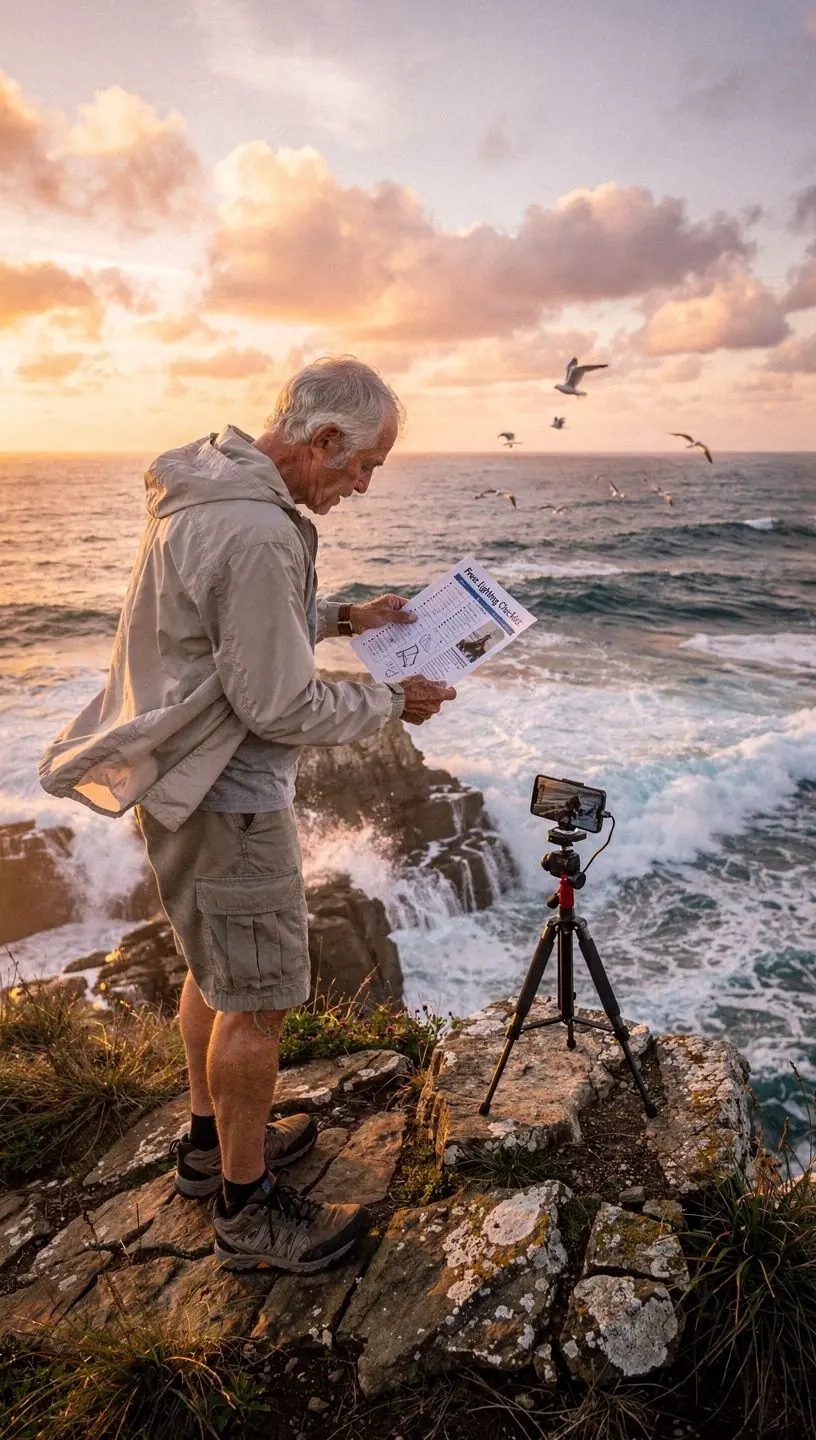
- Stabilize Your Device: To avoid motion blur, consider using a tripod or a stable surface. This helps keep the camera steady during longer exposure times, which is essential for capturing clear images in the dark.
- Use Night Mode: Most smartphones now come with a dedicated night mode that optimizes settings for low-light situations. This mode often adjusts the exposure and reduces noise, resulting in clearer images.
- Adjust Exposure Settings: If your mobile device allows, manually adjusting the exposure can enhance the brightness and clarity of your photos. Experts recommend experimenting with different exposure times to find the ideal setting for your environment.
Understanding Limitations and Expectations
While these techniques can significantly improve your night photography, it's essential to keep realistic expectations. Capturing exceptional night scenes may require practice and patience. In most cases, users should anticipate:
- A learning curve associated with using manual settings and stabilization techniques.
- That results may vary based on the specific lighting conditions and the capabilities of your device.
- To capture the best images, you may need to explore various environments and experiment with different settings over time.
Lighting Checklist for Night Photography
To assist you further, here’s a simple lighting checklist to consider when you’re out capturing night scenes:
- Assess the available light sources (street lamps, neon signs, etc.) and their impact on your shot.
- Position yourself to take advantage of natural light sources, which can help illuminate your subject.
- Experiment with various angles to see how light interacts with your scene.
Conclusion
Capturing night scenes with a mobile device can be both fun and challenging. By understanding the principles of low-light photography and applying practical techniques, you can significantly improve your results. Remember, practice is key, and exploring different methods will enhance your skills over time. With patience and experimentation, you may find yourself enjoying the beauty of night photography like never before.
Continue Reading