Understanding the Impact of Color Temperature in Mobile Photography
Color temperature is a critical aspect of mobile photography that can significantly influence the mood and perception of your images. By understanding how color temperature works, you can enhance your photography skills and capture images that resonate with your audience.
What is Color Temperature?
Color temperature, measured in Kelvin (K), indicates the hue of a specific type of light source. According to industry standards, light below 3000K is typically categorized as warm (yellows and reds), while daylight (around 5000K to 6500K) is considered neutral. Light sources above 6500K emit cooler tones, which can appear bluish.

"Understanding color temperature is essential for capturing the right mood in your images, as it affects how colors are perceived by the viewer."
The Importance of Color Temperature in Photography
When taking photos, the color temperature can influence not just the look of the image but also the emotional response it elicits. Studies show that warmer tones can evoke feelings of comfort and intimacy, while cooler tones may convey professionalism or calmness. This is why many photographers pay close attention to the color temperature when planning their shots.
How to Adjust Color Temperature in Mobile Photography
Many mobile cameras now come equipped with features that allow users to adjust the color temperature manually. Here are some practical tips:
- Use White Balance Settings: Most mobile cameras have preset white balance options such as "Daylight", "Cloudy", and "Tungsten". Experimenting with these can help you achieve the desired effect.
- Consider the Environment: The time of day and surrounding light sources can greatly impact color temperature. For example, the golden hour (shortly after sunrise or before sunset) provides a warmer light, enhancing skin tones and landscapes.
- Post-Processing Adjustments: If you capture images in a color temperature that is not ideal, many editing apps allow you to adjust this during the editing process. This can be a useful approach for correcting any discrepancies.
Challenges and Considerations
Adjusting color temperature effectively requires practice and observation. Many users report that it takes time to develop an eye for how different temperatures affect images. It's important to note that:
- This skill typically takes time to master, as familiarity with your camera settings and lighting conditions is essential.
- Not all situations will allow for perfect adjustments; sometimes, the existing light may not be suitable for your desired outcome.
- Good results often require a combination of knowledge, practice, and sometimes, a bit of luck with lighting.
Conclusion
Understanding color temperature is a foundational skill in mobile photography that can help elevate your work. By experimenting with different settings and observing how light interacts with your subjects, you can create images that not only look good but also convey the right emotions. Remember, the journey to mastering color temperature involves practice and patience, but the results can be rewarding.
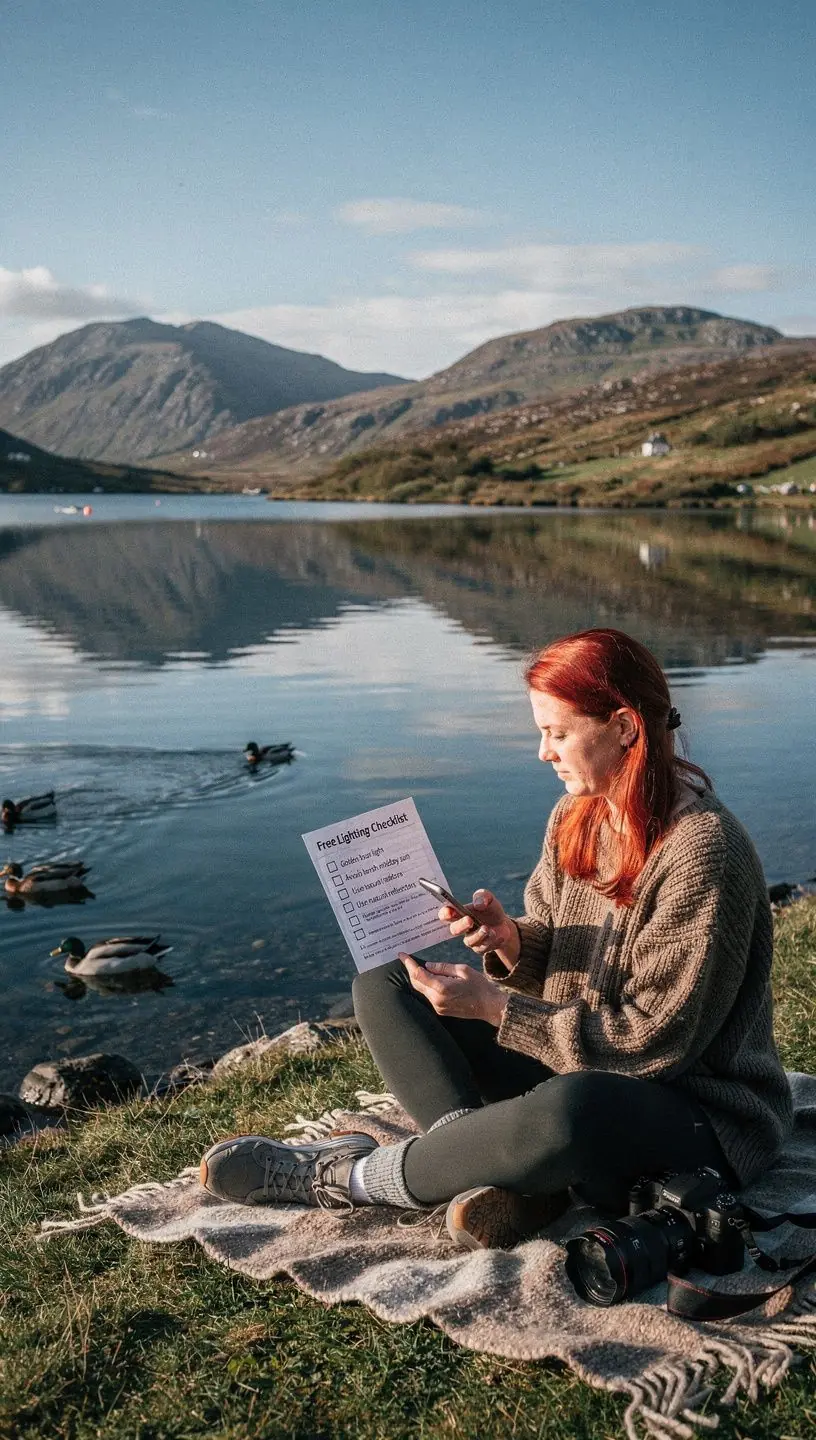
For a practical starting point, be sure to check out our free lighting checklist, which can guide you through various lighting conditions and their impact on your photography.