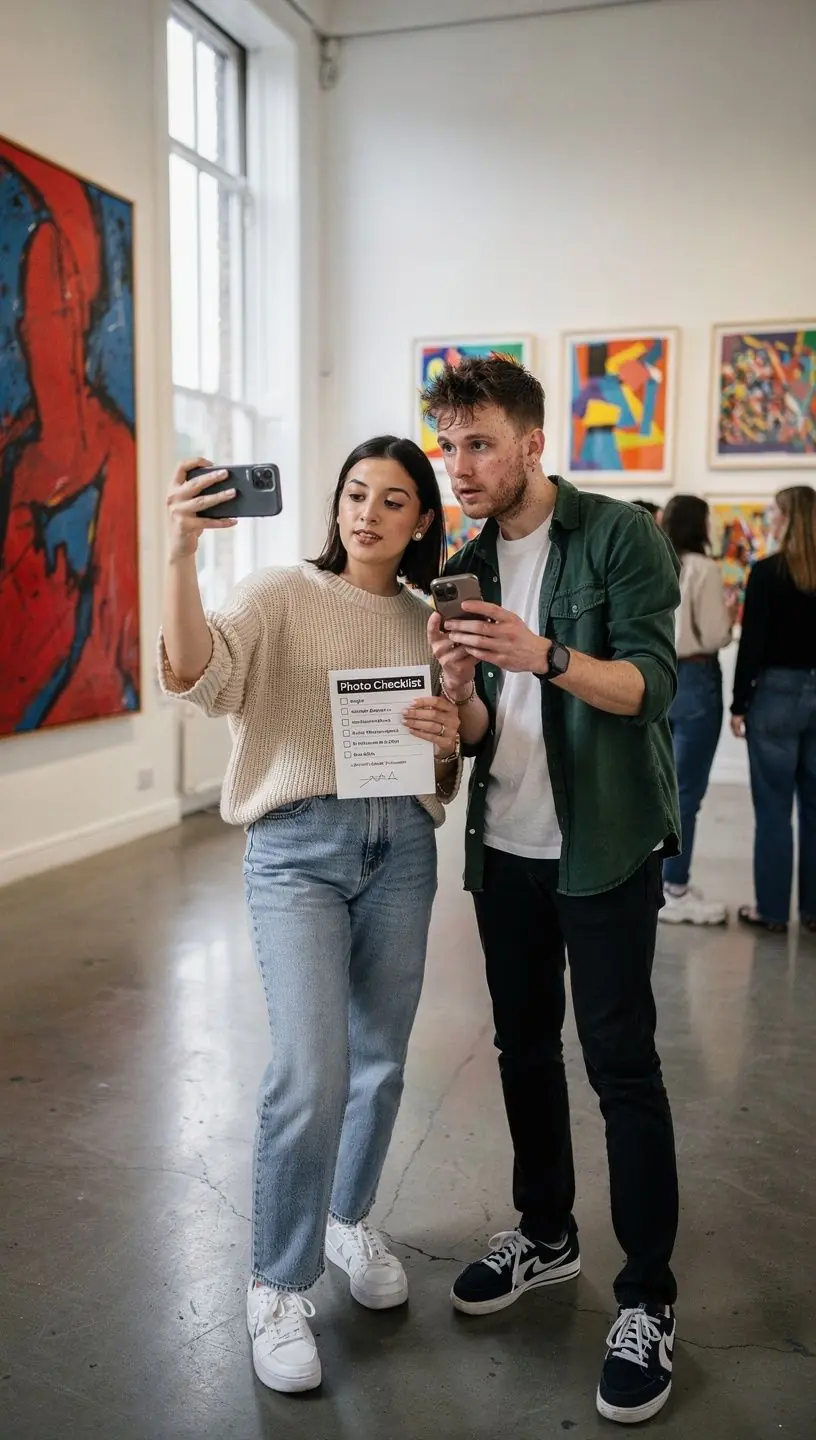
Using Reflectors to Enhance Lighting Effects in Mobile Photography
In mobile photography, lighting plays a crucial role in capturing stunning images. This article explores how using reflectors can effectively enhance your lighting effects, providing you with practical insights to improve your photography skills.
Understanding Reflectors in Photography
Reflectors are tools that redirect light towards the subject of your photograph. They are commonly used in the photography industry to soften shadows and add brightness. According to photography experts, using reflectors can significantly improve the overall quality of your images, especially in natural light situations.
"Reflectors can be a game changer for mobile photographers looking to manipulate light creatively." - Photography Expert
How Reflectors Work
The principle behind using reflectors is simple: they bounce light onto your subject, filling in shadows and highlighting important details. This works particularly well during golden hour, when natural light is most flattering. Studies indicate that soft, diffused light often leads to more aesthetically pleasing photographs.
Reflectors are typically made from materials such as white fabric, silver, or gold. Each material offers different effects:
- White reflectors provide a soft, even light and are great for portraits.
- Silver reflectors produce a brighter, more intense light, making them ideal for outdoor scenes.
- Gold reflectors add warmth to your images, creating a sun-kissed effect that many users find appealing.
Practical Application of Reflectors
Here are some practical tips to effectively use reflectors in your mobile photography:
- Choose the Right Location: Position your subject where they can benefit from available light, such as near a window or outdoors during golden hour.
- Angle Your Reflector: Experiment with the angle of your reflector to see how it alters the light hitting your subject. This typically requires some trial and error.
- Incorporate Multiple Reflectors: Using more than one reflector can help layer your lighting effects, creating a more dynamic image. This method may take practice but can yield impressive results.
Challenges and Limitations
While reflectors can enhance your lighting, they do come with some challenges. Utilizing them effectively typically requires a bit of practice and an understanding of how light behaves. Beginners may need to invest time in experimenting with different materials and techniques to see optimal results.
Moreover, reflectors may not be suitable for all shooting conditions. They work best in situations where you have ample natural light; in low-light settings, additional equipment may be necessary.
Conclusion
Using reflectors in mobile photography is an effective technique for enhancing lighting effects. By understanding how reflectors work and applying the practical tips outlined, you can improve the quality of your photographs significantly. Remember, practice and experimentation are key—results may take time to manifest, but the effort can lead to rewarding improvements in your photography.
Continue Reading